


Brazil Sees Surge in Suspicious Gambling Sites After Betting Ban

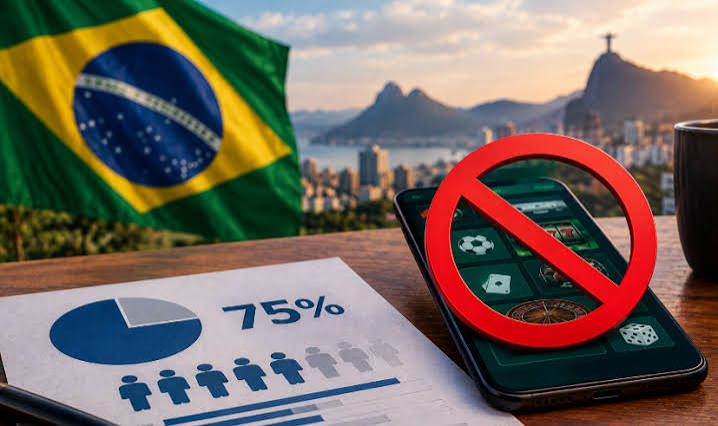
Brazil’s ban on online betting has coincided with a sharp increase in suspicious gambling websites and promotional links targeting local consumers. LegitBet identified 41,716 suspicious websites by October 8, while the average number of daily betting links increased more than sevenfold after the ban took effect.
Brazil’s Betting Ban Raises Concerns
Suspicious gambling websites and promotional links targeting Brazilian consumers have increased following the country’s restrictions on online betting platforms, according to a report by the National Association of Games and Lotteries (ANJL).
Data shared with the LegitBet monitoring system showed that 41,716 suspicious websites had been identified by October 8. The findings also revealed a significant increase in betting-related links following the implementation of Provisional Measure No. 1,394/2026 on September 25.
Between September 8 and September 23, LegitBet detected an average of 77 suspicious links per day. Following the measure’s introduction, the daily average climbed to between 549 and 743 links.




The system recorded 948 links on October 7 and another 733 on October 8. Between October 2 and October 7, it also identified between 70 and 233 new domains daily.
Characteristics of Potentially Suspicious Gambling Websites
Of the 55 websites confirmed as suspicious on October 8, approximately 82% included numbers in their domain names. Some appeared in groups of multiple addresses distinguished only by numerical identifiers.
The most frequently used domain extensions were .com, accounting for 43.6%, followed by .vip at 12.7% and .bet at 7.3%.
The monitored websites featured Fortune-style games, PIX payment options, mobile-number-only registration, daily bonuses and referral incentives. One promotional offer advertised bonuses of up to R$1 million.
LegitBet uses these characteristics to identify websites for monitoring. However, the presence of these features does not, on its own, establish that a particular website is operating illegally.
Related Also: KTO Reportedly Exits the Brazil Market.
Telegram and Online Searches Contribute to Detection
Internet searches accounted for 32% of detections recorded on October 8, while other databases contributed 30%. Previously identified networks of websites represented a further 18%.
Telegram channels accounted for 13% of detections. Social media platforms, including Kwai, Instagram, Reddit and Snapchat, collectively contributed 8%.
Overall, 90% of the websites identified through the monitoring system were flagged as suspicious. The analysis covered websites targeting Brazilian consumers between October 5 and October 8, excluded domains already listed on the National Telecommunications Agency’s blocking list, and did not include authorised betting operators.
Betting Restrictions Raise Questions About Economic Impact
The findings challenge the assumption that consumers who leave authorised betting platforms will automatically redirect their spending towards other products and services. Instead, some of that activity could shift to unauthorised gambling websites operating outside Brazil’s regulated market.
Such a shift could affect tax revenues and reduce legally mandated contributions to sectors including public security, sports, health and tourism. Consumers using unauthorised platforms may also lose access to the protections and safeguards offered by regulated operators.