

Mexico Legislator Pushes for Prime-Time Gambling Ad Ban to Shield Minors

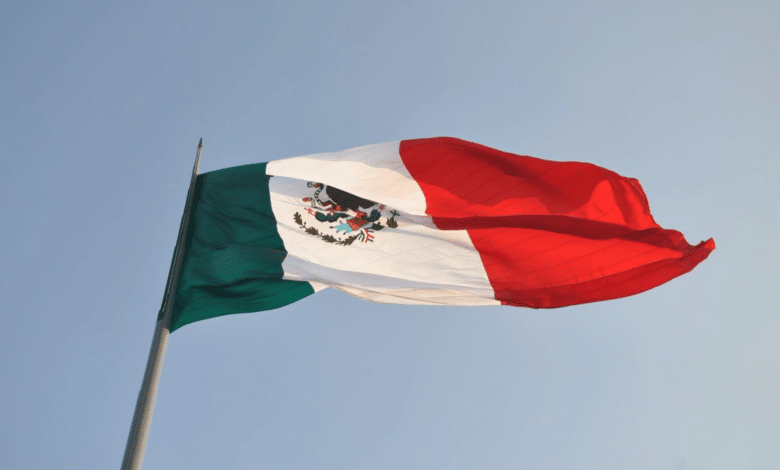
Federal Deputy Jerico Abramo Masso is committed to protecting Mexico’s youth from the potentially harmful effects of gambling advertising. As the country prepares for the upcoming World Cup in North America this summer, he has introduced a legislative proposal aimed at restricting the exposure of children and families to sports betting and casino ads. Last week, Abramo Masso submitted a bill that seeks to ban gambling advertising during “family viewing hours,” according to Periodico La Voz. Mexico Gambling Ad Ban
He explained that the initiative is driven by the need to reduce misinformation and prevent advertising content that could adversely influence young audiences. The legislation proposes prohibiting gambling apps from promoting their services during prime-time sports events or at any time before 10:30 pm.
“When watching sports on television, at any time of the day, we see these advertisements for online casinos and gambling, suggesting you can become a millionaire,” Abramo Masso said, per La Voz. “These lies and fallacies that could lead our sons and daughters to become gambling addicts.”
Mexico is set to host 13 matches during the World Cup, which begins on June 11, making the timing of this legislation particularly relevant as the tournament draws near.
The proposal has been forwarded to the relevant committees within the Chamber of Deputies for review. If approved, it will then be debated in Congress. Mexico has had a non-deceptive gambling advertising rule since 1947, which requires platforms to avoid targeting minors.
Additionally, the Secretariat of the Interior must approve all gambling ads to ensure they align with responsible gambling standards. Last year, a separate proposal sought to ban sponsorships and influencer marketing related to gambling, indicating ongoing efforts to regulate the industry.
These potential restrictions come amid increasing financial pressures on gambling operators, especially after Mexico’s 2026 fiscal plan increased gambling taxes from 30% to 50%. Meanwhile, in Brazil, a Senate committee recently advanced a nationwide ban on gambling advertising, reflecting a broader regional trend toward tighter regulation.




Across the United States, states have adopted various approaches to limit the negative impacts of gambling advertising. For instance, Massachusetts prohibits targeting minors and self-excluded individuals, with the Massachusetts Gambling Commission fining operators for misleading claims such as “Can’t Lose Parlay.” Senator John Keenan has championed legislation to ban advertising during sports broadcasts, further emphasizing the push for stricter controls.
Ohio also enforces restrictions on advertising aimed at those under 21, including on college campuses, and has penalized operators for using language that suggests “risk-free” betting or other misleading tactics. U.S. Rep. Paul Tonko has long advocated for a federal ban on gambling advertising to enhance consumer protection nationwide.
Read also: Brazil Approves Prediction Market as Regulated Financial Instrument
In Canada, Ontario launched its regulated online gambling market in 2022 with some of the most rigorous advertising rules in North America. Several operators, including DraftKings, BetMGM, and PointsBet, faced fines for breaching these standards. Ontario’s regulations now prohibit the use of athletes and celebrities in gambling advertisements. Alberta plans to follow suit by opening its online gambling market with similar standards.
At the national level, Senator Marty Deacon has led efforts to establish a nationwide advertising framework. After reintroducing his bill last year, the legislation was passed by the Senate in October and is now under review by the House of Commons. The bill would task the Minister of Canadian Heritage with creating the framework, and industry groups such as the Canadian Gaming Association and Ad Standards are working on developing responsible advertising codes. Mexico Gambling Ad Ban