

Tennessee Takes Enforcement Action Against Prediction Market Sites

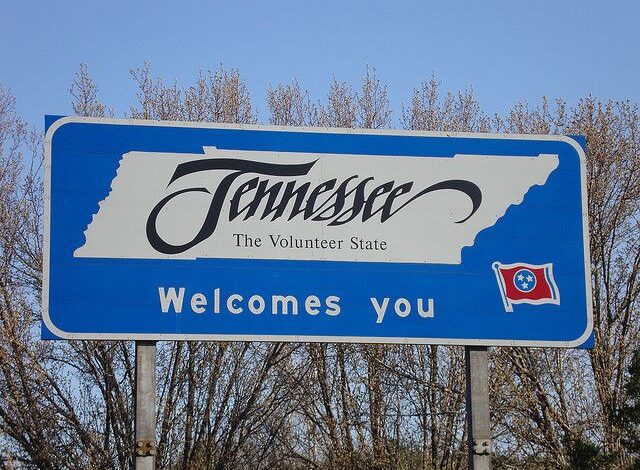
In a decisive move, the Tennessee Sports Betting Council (SWC) has issued non-judicial notices to Crypto.com, Polymarket, and Kalshi. The notices demand that these platforms immediately stop accepting bets from residents of Tennessee. Additionally, they require the platforms to cancel all active contracts and issue full refunds by the end of January.
This marks the first significant enforcement action taken by a state against Polymarket since it resumed operations within the U.S. earlier this year. The case intensifies ongoing discussions about the regulatory status of prediction markets tied to sporting events.
The notices, dated January 9, allege that the operators of these prediction markets are breaching Tennessee law. The SWC asserts that the platforms are offering sports-related contracts without the necessary licensing mandated by the Tennessee Sports Gaming Act of 2019. Moreover, the agency accuses these companies of failing to collect the required local taxes. It also points out that the websites permit users aged 18 and over to participate, despite the legal age requirement of 21 in Tennessee. The SWC highlights concerns over inadequate anti-money laundering controls, non-compliance with bettor eligibility standards, and limited safeguards for responsible gambling.
The council emphasizes that such practices violate consumer protection laws and pose an “immediate and significant threat.” Non-compliance with the order could lead to escalating fines—initially US$10,000 for the first violation, increasing to US$15,000 for the second, and up to US$25,000 for each subsequent breach. The SWC further states it will pursue legal measures if prediction markets continue operating unlawfully within the state. Operating illegal gambling is classified as a Class B offense, while promoting such activities aggressively can be considered a Class E crime. The council has also indicated that any violations will be referred to law enforcement authorities.




Mary Beth Thomas, the SWC’s executive director, signed the notices, which were also sent to Tennessee Attorney General Jonathan Skrmetti and board chairman Billy Orgel. Of the companies mentioned, Kalshi was the only one to respond formally. Kalshi contended that it operates under “exclusive federal jurisdiction,” citing recognition from other courts. The firm claims its offerings are “very different” from traditional state-licensed sports betting services. As a result, Kalshi has filed a lawsuit in federal court, challenging what it describes as an “illegal attempt” at state-level regulation.
Read also: BetMGM Announces Exclusive Launch of Gaming Corps Casino Collection in Ontario
This development adds to a series of ongoing legal battles involving Kalshi. In August, a federal judge in Maryland rejected Kalshi’s bid for an injunction against state regulators, ruling that the company had not convincingly proved federal law supersedes state gaming statutes. Similarly, in Nevada, a court in November determined that Kalshi must adhere to local regulations, overturning an earlier injunction. However, in April, Kalshi received a favorable ruling in New Jersey, where the court held that its contracts fall under the Commodity Exchange Act (CEA), bringing them under the jurisdiction of the Commodity Futures Trading Commission (CFTC). The state is appealing this decision, supported by 34 attorneys general.
Legal challenges are also underway in Ohio, New York, Connecticut, Massachusetts, Montana, and Arizona. The outcomes of these cases could be decisive in whether prediction market platforms can operate nationwide without obtaining individual state licenses or whether state gambling laws will ultimately restrict their operations. The evolving legal landscape suggests that future rulings could significantly shape the regulation and legality of prediction markets across the United States.