

President of Brazil Broadens Crackdown on Online Gambling.

Federal government of Brazil is moving forward with additional restrictions and taxation measures targeting online gambling. Intensifying the regulatory landscape less than two years after the market was officially regulated in 2025. This development coincides with ongoing deliberations by the Supreme Federal Court. This is in regards whether the country’s longstanding 1946 gambling ban remains appropriate within the current legal and economic context.
New Decree Introduces Stricter Betting Regulations
The Brazilian government has finalized a new decree aimed at tightening the rules governing betting companies. Under review by the Ministry of Finance, SBC News reports the text may be published as soon as next week.
This measure is expected to augment the restrictions implemented earlier this year.
According to reports, the decree proposes a five-second interval between bets, bans on autoplay betting functions. Restrictions on sound effects designed to encourage further wagering is also in the proposal . The draft legislation has been discussed across multiple government departments. They include the president’s office, the finance ministry, the digital rights secretariat, consumer protection agencies, the justice ministry, and the communication secretariat. These measures follow the advertising and marketing limits introduced in July, illustrating Brazil’s ongoing efforts to reshape its nascent regulated market.




Lula’s Administration Seeks to Increase Tax Burden
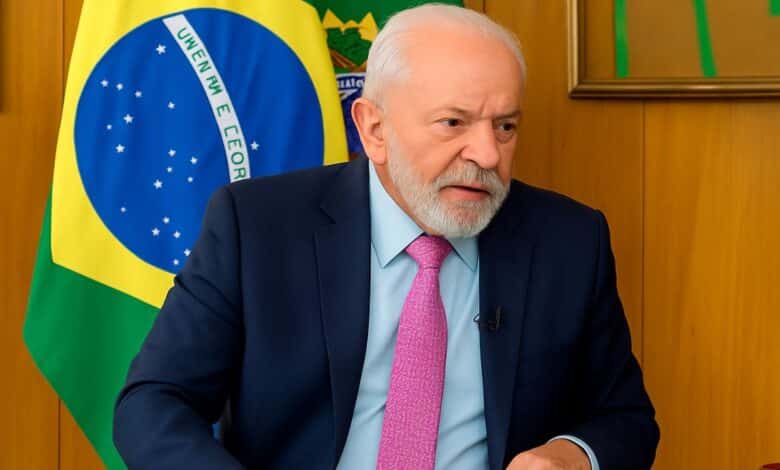
The decree aligns with President Luiz Inácio Lula da Silva’s broader strategy to limit gambling activities in Brazil. Although Lula signed the Bets Law in late 2024, he has publicly expressed concerns that online betting licenses may be detrimental to families and vulnerable groups. Since the market’s opening on January 1, 2025, authorities have already taken steps to restrict promotional offers and incentives. Furthermore, the Senate has approved an increase in the gross gaming revenue (GGR) tax rate from 12% to 18% by 2028.
Read Also: Betsson Finalizes Acquisition of Rhino in Canada
Taxation is expected to become even more stringent under the government’s reform agenda. In 2027, fixed-odds betting could be incorporated into the Tax Reform program. Imposing a new Selective Tax on products deemed risky due to their addiction potential. Additionally, legislative efforts such as Bill PL 2,258/2026, which seeks to ban online casinos altogether, are on the legislative agenda.
Legal Debate Highlights Division in the Court
Simultaneously, the Supreme Federal Court is examining whether Brazil’s 1946 gambling ban remains compatible with contemporary legal and economic principles. The hearing held on Wednesday, August 5, focused on whether Decree-Law No. 9,215/1946 conflicts with constitutional freedoms. The law predates the internet and does not explicitly cover online betting, leaving the digital gambling sector in a legal grey area for years.
During the hearing, lawyer Flávia Raphael Mallmann from the Public Prosecutor’s Office of Rio Grande do Sul stated, “criminalization of gambling is a moral judgement about protecting citizens, and not a criminal one. Public defender Gustavo da Silva raised concerns about the impact of online betting on vulnerable populations. Alessandra Martins Gonçalves Jirardi, representing the National Association of Mayors and Deputy Mayors, argued that the ban conflicts with constitutional principles of freedom, pluralism, and free enterprise. She also pointed out that gambling is currently being conducted legally through federally authorized companies under the Bets regime. With divisions emerging among the court, Congress, and the executive branch, the future regulation of Brazil’s gambling market remains uncertain.