


Baltimore City Takes Legal Action Against Kalshi and Polymarket for Illegal Betting Activities.

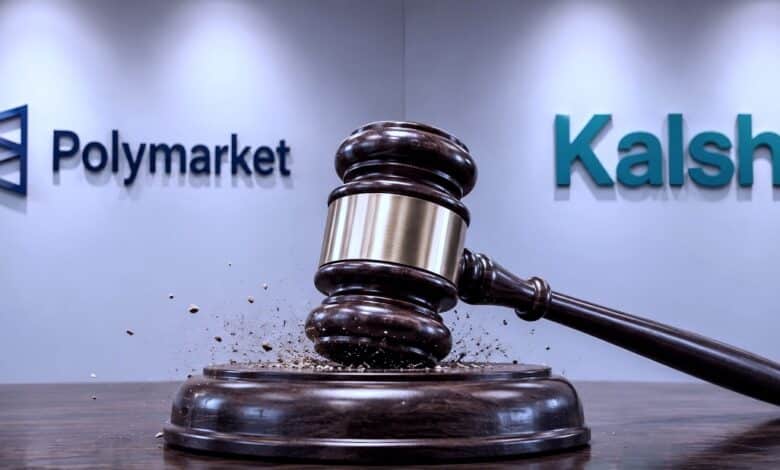
Baltimore’s leadership takes a firm stance against unregulated sports betting. Mayor Brandon M. Scott, along with the Baltimore City Council, has initiated legal action by filing lawsuits against prediction market operators Kalshi and Polymarket. The actions stem from concerns over the companies’ alleged violation of the city’s Consumer Protection Ordinance (CPO), which aims to safeguard residents from deceptive and illegal gambling practices.
Legal Action and Allegations
The lawsuits, submitted to the Circuit Court for Baltimore City, accuse Kalshi and Polymarket of conducting unlawful, unlicensed sports betting platforms. Misleading consumers regarding the legal and regulatory status of their services.
As outlined in the complaints, both companies permit Baltimore residents to wager on various sports-related outcomes. They range from game winners and point spreads to player statistics and other common betting propositions. Although called ‘event contracts,’ the complaints argue these wagers are effectively traditional sports bets, making them illegal under Maryland law.
Implication for Other Companies
The legal filings reveal Kalshi case also implicates Robinhood, Webull, and Coinbase, which offer sports event contracts via Kalshi’s platform. Similarly, the Polymarket lawsuit involves QCX, Blockratize, and QC Tech.
“They’re running sportsbooks without licenses and betting that a new label will put them above the law,” stated Mayor Scott. “It won’t. Baltimore will not let multibillion-dollar companies put profits over people and harm our communities through illegal gambling.”
The city’s legal team, led by the Baltimore Department of Law and represented by the law firm DiCello Levitt, emphasizes that these companies cannot sidestep Baltimore’s consumer protections by simply rebranding gambling activities or claiming federal regulation shields them from local laws.
“Kalshi and Polymarket cannot circumvent Baltimore’s consumer protections by repackaging gambling as something else. Or claiming federal regulation puts them beyond the reach of our laws,” said City Solicitor Ebony M. Thompson. “The City will continue to use its consumer protection authority to stop deceptive and unlawful conduct and hold companies accountable when they put our residents at risk.”




The lawsuits allege that the platforms are marketed in ways that foster a false sense of legality and regulation. These make gambling easily accessible to consumers under the guise of prediction markets.
“Allowing prediction market companies to evade gambling laws would set a dangerous precedent far beyond Baltimore,” remarked Adam Levitt, founding partner of DiCello Levitt. “These companies cannot be permitted to use new terminology and new technology to operate outside the rules designed to protect consumers and communities.”
Legal Remedies and Past Actions
Baltimore seeks civil penalties, restitution, disgorgement of profits, and other legal remedies.. This legal action follows previous efforts by the Maryland Lottery and Gaming Control Commission. Both issued cease-and-desist orders to Kalshi, Robinhood, and Crypto.com in April 2025. They demanded they halt the offering of sports event contracts within Maryland.
Read Also: CFTC Orders Kalshi to Continue Operations Amid Legal Battle in New York.
Kalshi responded to the regulatory pressure by filing suit in the U.S. District Court for the District of Maryland, asserting that its sports event contracts fall under federal regulation via the Commodity Exchange Act. Not subject to Maryland’s sports wagering laws.
However, in August 2025, Judge Adam Abelson dismissed Kalshi’s request for preliminary injunctive relief. He ruled that the company failed to demonstrate a likelihood of success that federal law preempts Maryland’s gambling regulations.
This isn’t the first legal challenge Baltimore has mounted against sports betting companies. Last year, the city filed suit against DraftKings and FanDuel, accusing them of engaging in “predatory” practices. The case was moved to federal court but was later remanded back to Baltimore’s Circuit Court in November 2024.